
Strip Diagram Success: Using Two Key Concepts to Support Modeling Word Problems
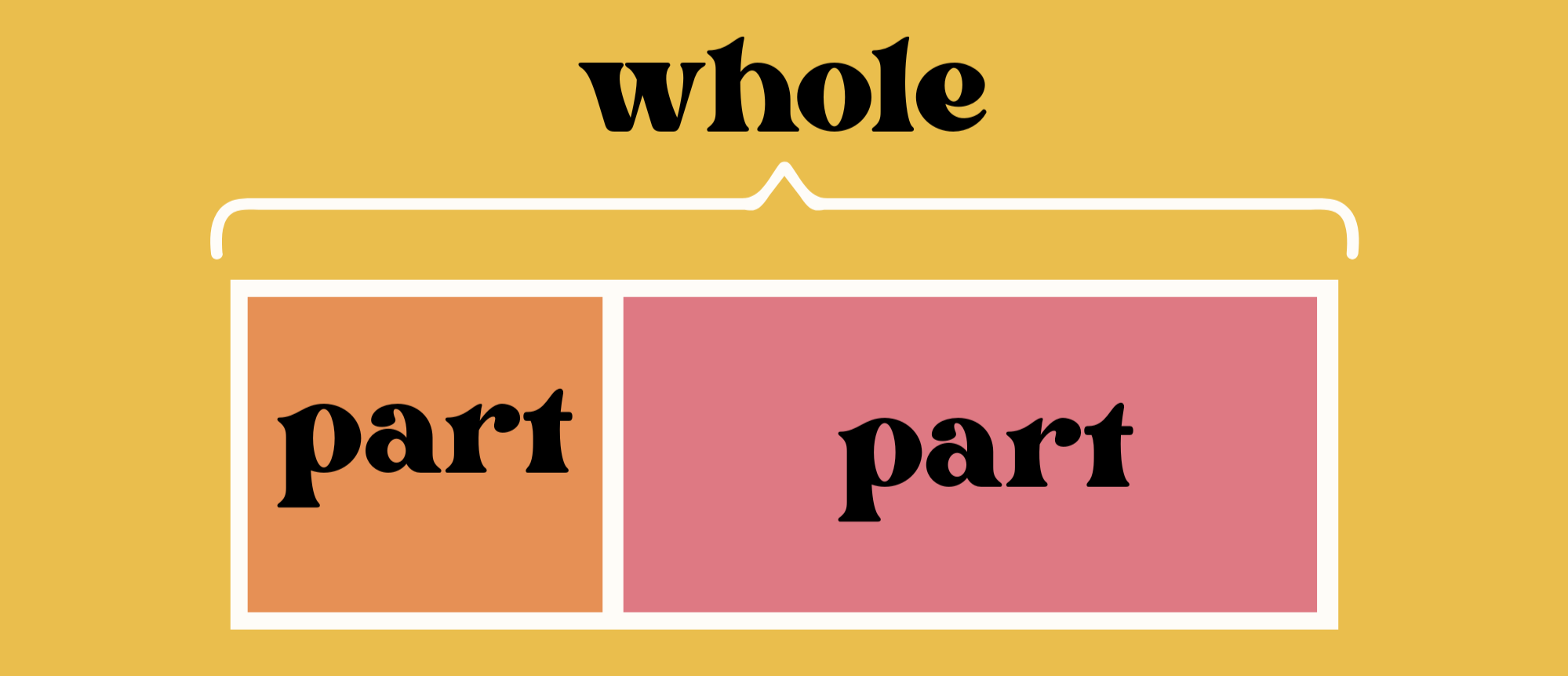
A basic version of a strip diagram, sometimes referred to as a part-part-whole model.
For many students, word problems are a puzzle waiting to be solved. One of the most effective tools teachers have at their disposal to assist students in cracking this code is the use of strip diagrams. However, teaching students how to use these diagrams effectively comes with its own set of challenges. The good news is, we've got some great free resources to support you!

Does it sometimes feel like your students are just blindly picking an operation and then waiting for you to correct them?
They know if they just wait you out long enough, you’ll show them what to do. But what if we gave them the right resources to reference instead of needing an adult every time they feel stuck?
Why Are Strip Diagrams Challenging to Teach?
Abstract Concept for Students: Strip diagrams require students to visualize word problem situations, then record a model that converts the situation into bars and brackets. This can be quite a conceptual leap if students didn’t develop strong modeling skills in with early elementary strategies.
Varied Problem Structures: Word problems often end up following patterns, but these can’t be consistently relied upon as a sort of “cheat code” for modeling. Students may struggle to determine how to represent different types of problems consistently using strip diagrams when the sentences and situations become more nuanced.
Multi-Step Confusion: For beginners, even straightforward one-step problems can seem complex. Layers of additional steps can make it even harder for students to discern the correct application of strip diagrams. Having multiple unknowns within the same diagram can lead to confusion when translating their model into operational steps.
Limited Exposure and Practice: Many students do not get enough exposure to strip diagrams, leading to a lack of familiarity and confidence in using them effectively. If teachers don’t have deep understanding, they often avoid using strip diagrams as a go-to strategy for word problems.
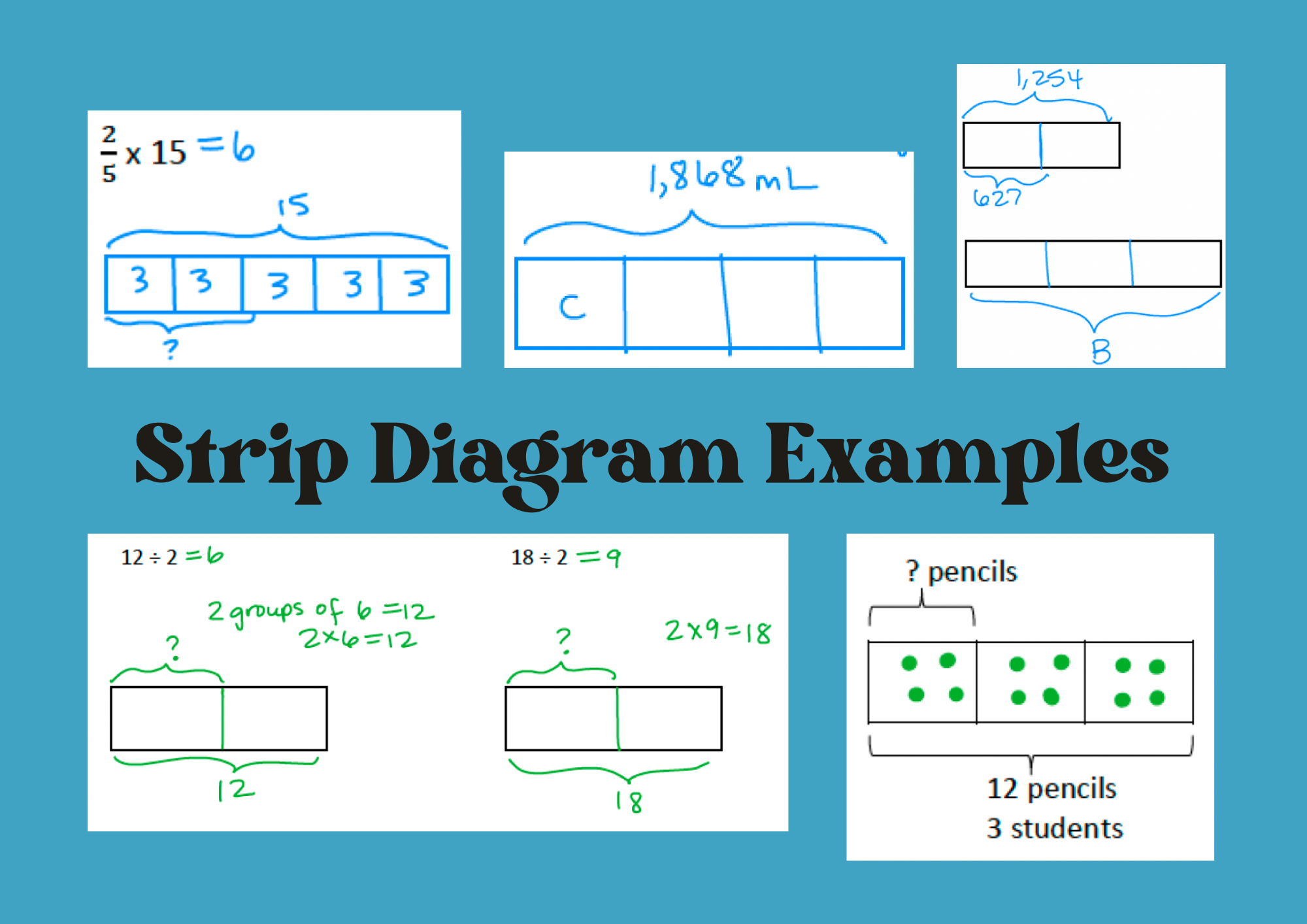
So then what’s the solution besides avoidance?
Two key concepts are the foundation of an effective strip diagram: recognizing whether the total is known, and recognizing equal groups. It’s the initial part of the strip diagram pipeline, because without this knowledge, students won’t know whether to draw parts of equal size or where to label with a number versus a question mark or variable.
Empowering Teachers with a FREE Word Problem Toolkit
To support students in linking the presence or absence of equal groups and the total being known or unknown, we've developed two free resources designed specifically to streamline development of strip diagrams.
Operations Flow Chart: This guide enables students to quickly identify which mathematical operation a word problem requires. It’s a perfect tool for building foundational skills necessary for effective strip diagram usage.
Strip Diagram Selector: This organizer helps students dissect a word problem, determine the operation needed, and plan their strip diagram representation methodically.
